Adderall® Product Information
Adderall Product Gallery
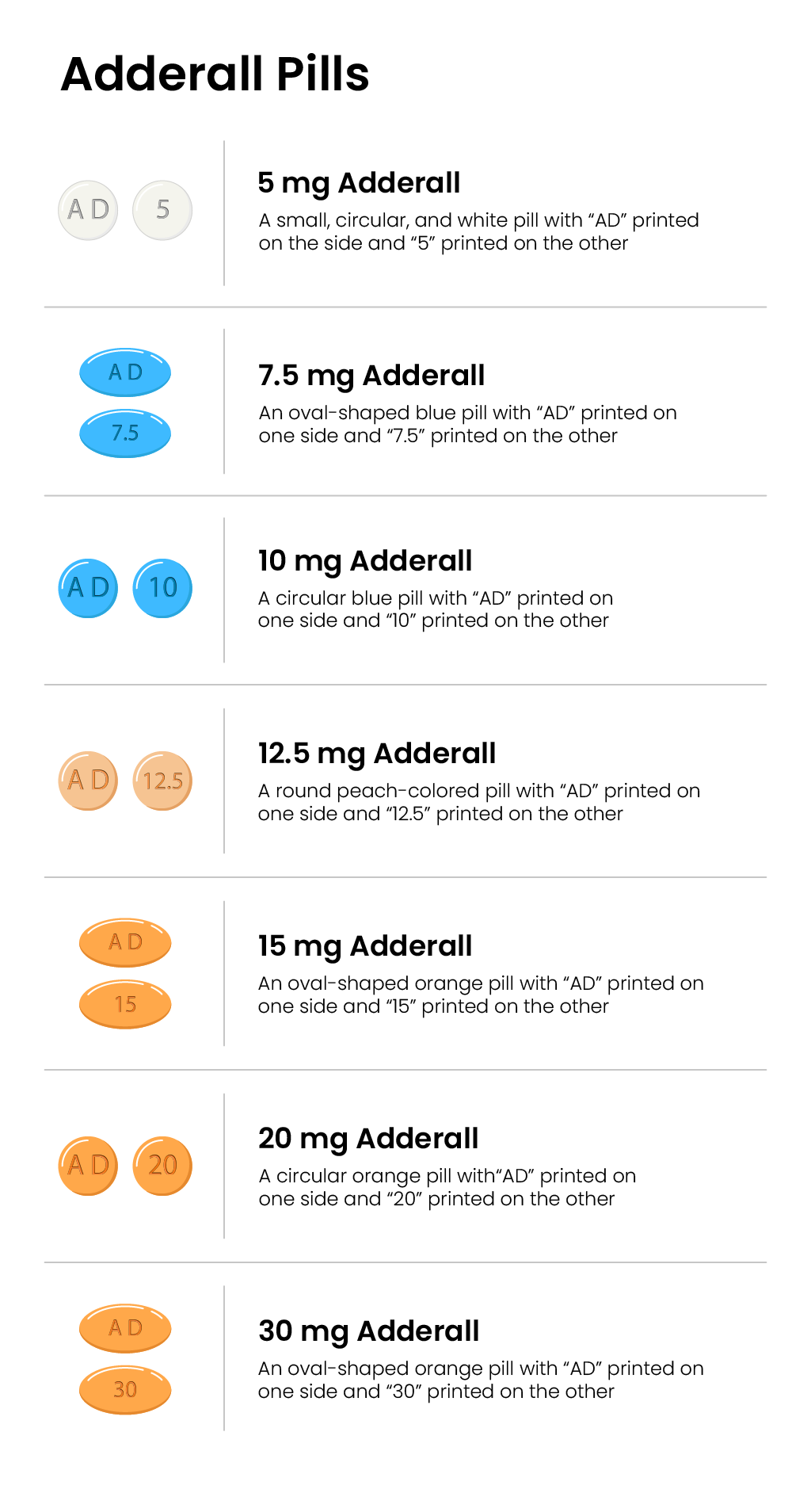 Click to enlarge
Adderall Tablets
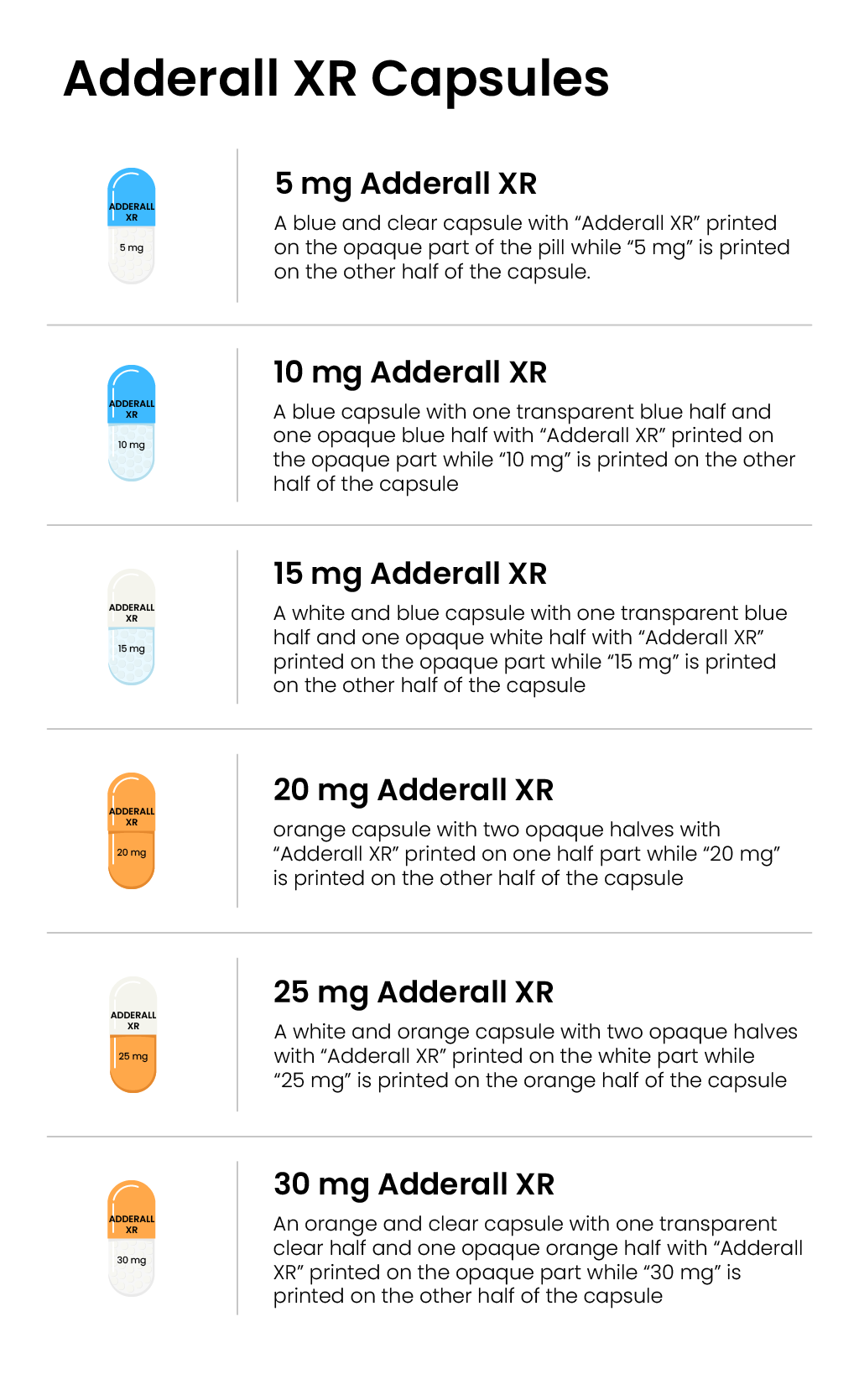 Click to enlarge
Adderall XR Capsules
 Click to enlarge
Better Results From Psychotherapy
What is Adderall?
Adderall is a prescription medication that contains a combination of amphetamine and dextroamphetamine. These are central nervous system (CNS) stimulants that affect chemicals in the brain and nerves that contribute to hyperactivity and impulse control.
Medical Uses
Adderall is FDA-approved for the treatment of:
- Attention Deficit Hyperactivity Disorder (ADHD): In children 3 years of age and older, adolescents, and adults up to the age of 65.
- Narcolepsy: A sleep disorder characterized by excessive daytime sleepiness and sudden attacks of sleep.
How Adderall Works
Adderall works by increasing the levels of certain neurotransmitters in the brain, specifically dopamine and norepinephrine. These chemicals play essential roles in:
- Enhancing focus and concentration
- Improving attention span
- Reducing impulsive behavior
- Increasing wakefulness in narcolepsy
Dosage Information
Important: Dosage must be determined by a healthcare professional based on individual needs and response to treatment.
For ADHD
Adults and children 6 years and older: The typical starting dose is 5 mg once or twice daily. The dosage may be increased in increments of 5 mg at weekly intervals until an optimal response is obtained.
Children 3-5 years: The starting dose is 2.5 mg daily, which may be increased by 2.5 mg at weekly intervals until optimal response is obtained.
For Narcolepsy
The usual dose is 5 mg to 60 mg per day in divided doses, depending on individual response and tolerance.
Possible Side Effects
Common side effects may include:
- Loss of appetite, weight loss
- Dry mouth
- Stomach upset/pain
- Nausea/vomiting
- Dizziness
- Headache
- Diarrhea
- Fever
- Nervousness
- Trouble sleeping
Serious side effects that require immediate medical attention include:
- Signs of heart problems (chest pain, trouble breathing, feeling like you might pass out)
- Signs of psychosis (hallucinations, paranoia, aggression, new behavior problems)
- Signs of circulation problems (numbness, pain, cold feeling, unexplained wounds, or skin color changes in fingers or toes)
- Seizures
- Vision changes
- Muscle twitches or tics
Warnings and Precautions
⚠️ Important Safety Information
- Addiction and Abuse: Adderall has a high potential for abuse and may lead to dependence. Use only as prescribed.
- Heart-related problems: May increase blood pressure and heart rate. Use with caution in patients with heart problems.
- Mental/Behavioral problems: May cause new or worsening mental health problems, including bipolar illness or psychotic symptoms.
- Circulation problems: May cause circulation problems that can result in finger or toe numbness, pain, or skin color changes.
- Pregnancy and breastfeeding: Inform your doctor if you are pregnant, planning to become pregnant, or breastfeeding.
- Drug interactions: Inform your doctor about all medications you are taking, including over-the-counter drugs and supplements.
Contraindications
Adderall should not be used in patients with:
- Advanced arteriosclerosis (hardening of the arteries)
- Symptomatic cardiovascular disease
- Moderate to severe high blood pressure
- Hyperthyroidism (overactive thyroid)
- Glaucoma
- Agitated states
- History of drug abuse
- During or within 14 days following the administration of MAO inhibitors
- Hypersensitivity to amphetamine products
Have Questions About Adderall?
Consult with a healthcare professional for personalized medical advice.
Contact UsLegal Notice: This information is not intended to be a substitute for professional medical advice, diagnosis, or treatment. Always seek the advice of your physician or other qualified health provider with any questions you may have regarding a medical condition or treatment.